Apply →
Menu

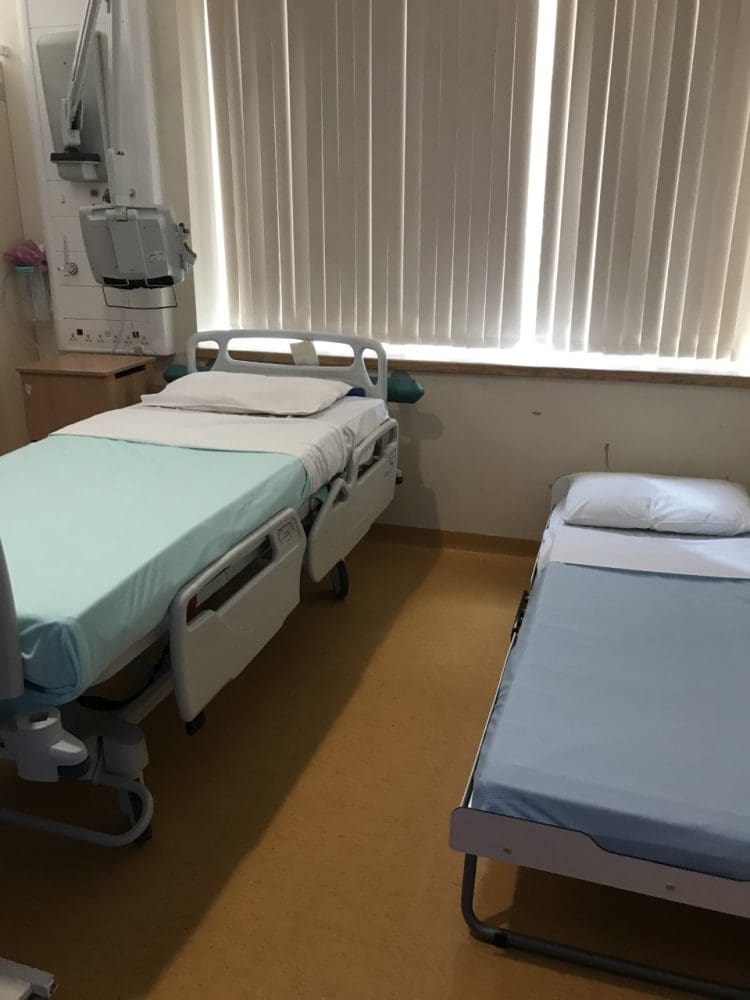
The Special Care Unit at Whiston Hospital provides intensive care, high dependency and special care to premature and sick new born babies from the Prescot and St Helens area The unit treats over 316 babies needing respiratory support each year.

The Vapotherm Precision Flow System allows precise measurements of temperature controlled flow, oxygen delivery and humidity for pre-term and sick babies in need of respiratory support. The Precision Flow operates without the discomfort of a nasal cannula and gives parents better access to their babies for cuddles and bonding. It also has a built in alarm system to warn staff if it is dislodged or the flow is interrupted. Often babies are dependent on this equipment for several weeks and so the demand for the equipment is high. MedEquip4Kids have agreed to fund 2 Precision Flow systems.

Donate now

Donate Amount(Required)

More Projects

Green Fold Special School, Bolton – Acheeva Graduate Beds

We are providing two new Acheeva Beds for Green Fold Special School in Bolton. These are unique work stations that allow children with physical disabilities as well as Profound and Multiple Learning Disabilities (PMLD) to lie in a supported, balanced posture while participating in classroom learning. The Acheeva Bed is compact and easily moveable, and […]

Find out more →
Fully Funded

Royal Preston Hospital – SoundEars

Noise in hospitals, whether from loud voices, televisions or banging doors, can be an issue for both patients and staff, especially at night. Better sleep is well-documented as leading to reduced stress levels and faster recovery from illness, which results in children being able to go home earlier. The SoundEar Noise Warning Sign is a […]

Find out more →
Fully Funded

Nottingham Children’s Hospital – toys and games

Attending hospital can be a distressing and anxious time for a child, especially for those whose treatments are unpleasant or cause discomfort and pain.

Find out more →
Fully Funded
View all projects →

“Infections of the central nervous system need urgent and appropriate treatment. Most laboratory methods can take from 24 to 48 hours for diagnosis of bacterial meningitis and three to seven days for diagnosis of viral meningitis or encephalitis. The new equipment will mean we can get results of these tests in around an hour. We’ll be able to inform the clinicians of a positive result, allowing targeted therapy and reassurance to the patients and families. Just as important is the reporting of negative results, which may enable treatment withdrawal and possibly a shorter hospital stay.”

Dr Pradeep Subudhi
Consultant Microbiologist
Royal Bolton Hospital

Sign Up To Our Newsletter

By signing up to our newsletter you agree to our privacy policy