Apply →
Menu

We are funding a projector and rotating wheels to create immersive sensory lighting and colour effects in the children’s unit at Ipswich Hospital. This equipment will help reduce the agitation, stress and worry children experience when they come into hospital, especially before a procedure such as a scan, blood test or X-ray.

At the moment, the play team and clinical staff have a limited number of sensory resources to use with their young patients. The projector will be especially useful for patients with autism spectrum disorders, ADHD, cerebral palsy and other developmental challenges and will help to make their visit to Ipswich Hospital a less frightening and more positive experience.

The Rhino solar 250 LED projector, magnetic 6” effect wheel rotator and pack of three magnetic 6” effect wheels will benefit around 800 children a year. As the projector is freestanding and portable, it can be used to support children in different clinical settings.

Donate now

Donate Amount(Required)

More Projects

Whiston Hospital – Vapotherm Precision Flow Systems

The Special Care Unit at Whiston Hospital provides intensive care, high dependency and special care to premature and sick new born babies from the Prescot and St Helens area The unit treats over 316 babies needing respiratory support each year. The Vapotherm Precision Flow System allows precise measurements of temperature controlled flow, oxygen delivery and […]

Find out more →
Fully Funded

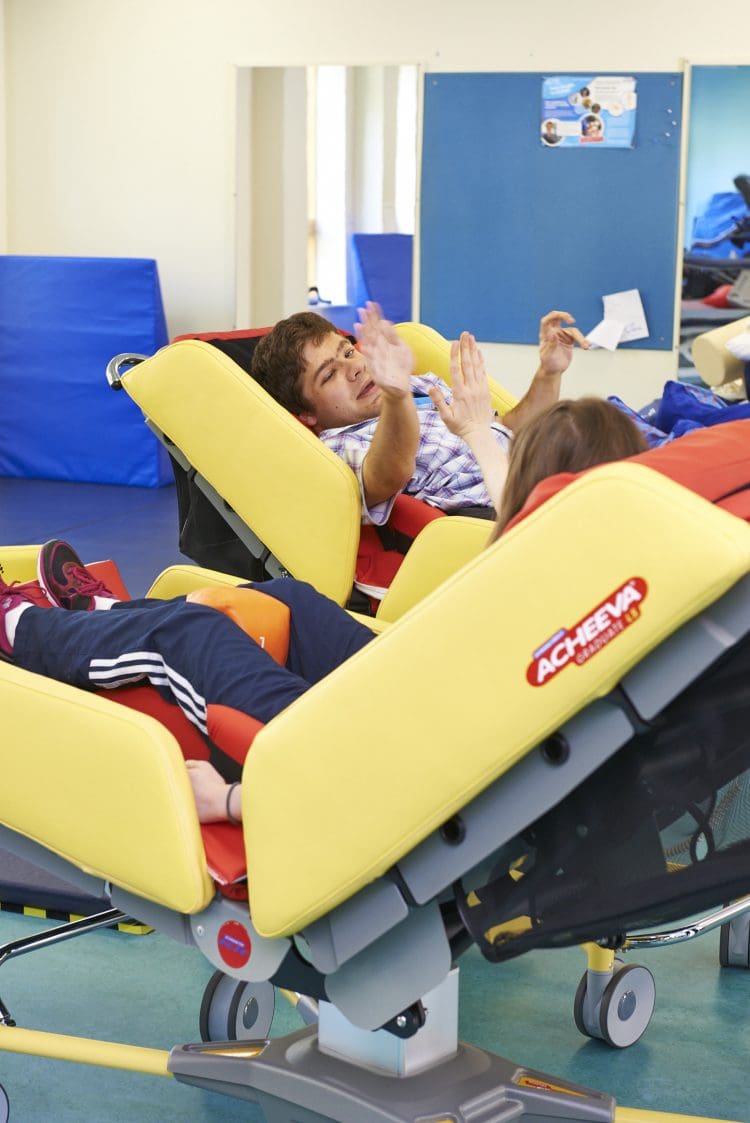
Woodlands Special School, Blackpool – Sensory Integration

Woodlands Special School in Blackpool caters for pupils aged 2 – 18 with severe or profound and multiple learning difficulties (PMLD).

Find out more →
Fully Funded

Tameside General Hospital – Carescape cardiac monitor

A Carescape cardiac monitor will provide safe care for respiratory patients on the children’s unit and those being treated by Child and Adolescent Mental Health Services (CAMHS). Catherine Isherwood, Children’s Unit Manager, explains: “The monitor allows a patient to have continuous cardiac monitoring whilst they are on a medication infusion. We mainly use the monitors […]

Find out more →
Fully Funded
View all projects →

“Infections of the central nervous system need urgent and appropriate treatment. Most laboratory methods can take from 24 to 48 hours for diagnosis of bacterial meningitis and three to seven days for diagnosis of viral meningitis or encephalitis. The new equipment will mean we can get results of these tests in around an hour. We’ll be able to inform the clinicians of a positive result, allowing targeted therapy and reassurance to the patients and families. Just as important is the reporting of negative results, which may enable treatment withdrawal and possibly a shorter hospital stay.”

Dr Pradeep Subudhi
Consultant Microbiologist
Royal Bolton Hospital

Sign Up To Our Newsletter

By signing up to our newsletter you agree to our privacy policy