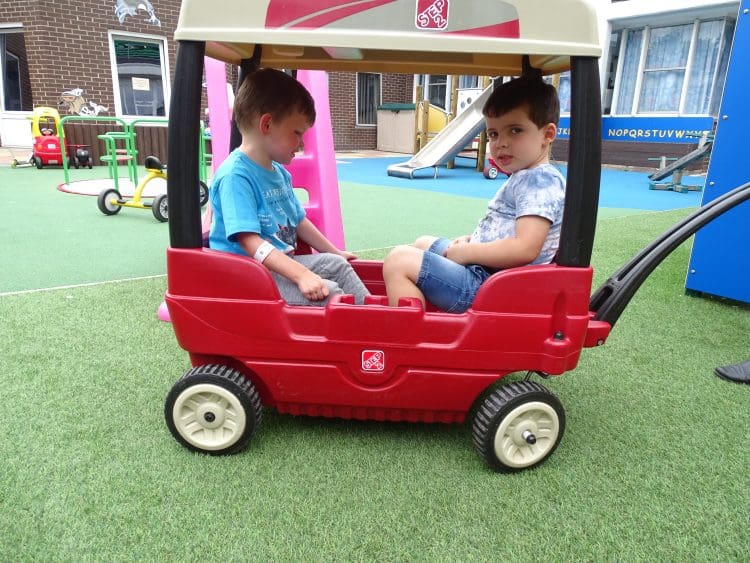
Firwood High School in Bolton caters for pupils aged 11-18 with cerebral palsy, severe or profound learning disabilities, and other physical conditions. The school is in need of some new mats and wedges for pupils to use when stretching and doing physio exercises. The equipment will be used for up to five years.
Donate now
More Projects
Croydon University Hospital – incubator
One in seven babies in the UK needs specialist neo natal care after they are born. These babies may be born too early or with a low birth weight, or have a medical condition that needs treatment. Nearly 3,500 children are born in Croydon University Hospital every year, with over 400 babies requiring a stay […]
Find out more →
Fully Funded
Royal Oldham Hospital – sensory room upgrade
Many of the young visitors to the Children’s Unit at Royal Oldham Hospital have complex needs and are often battling with life-limiting and life-threatening conditions. In order to improve the patient’s experience at a difficult time for both them and their families, the medical team would like to update their sensory room to provide a […]
Find out more →
Fully Funded
Royal Bolton Hospital -“Magic Medic” Louby-Lou
Royal Bolton Hospital
Being in hospital can be distressing, frightening and boring for kids. For many years we have funded “Magic Medic” Louby-Lou to entertain children’s wards with her immersive, colourful and vibrant clown show, performing magic tricks and getting kids singing along to popular songs. This distracts them from their treatment and helps to cheer them up. […]
Find out more →
Fully Funded
“The new outdoor area will boost mood and morale, creating social opportunities in a safe space free from medical interventions and providing distraction from pain and illness. It offers play opportunities for siblings too, helping to normalise the hospital environment and bridge the gap between home and hospital.”
Gillian Heer
Starlight Children’s Unit Manager
Wythenshawe Hospital