
Apply →
Menu

Veins in children and babies are not easily visible to the naked eye when performing invasive procedures such as inserting cannulas or taking blood samples.  The AccuVein AV500 is a handheld medical device that illuminates veins below the skin allowing the clinician to see and access the veins more easily. The vein finder improves patient experience by aiding the assessment of the vein site leading to more successful outcomes of first attempts.

The Tree House Paediatric Unit at Stepping Hill Hospital has two treatment rooms in constant use by both inpatients and those on the assessment unit. Each treatment room requires a new vein viewer due to decommissioning of a previous unit. The old model was in frequent use by the medical team but is now beyond repair. The AccuVein AV500 units will be used to treat approximately 1,800 patients per year. These babies and children have a variety of medical conditions and the availability of the vein viewer will make a huge difference to their hospital experience.

Donate now

Donate Amount(Required)

More Projects

Royal Preston Hospital – AccuVein AV500

The AccuVein AV500 is a handheld medical device that illuminates veins below the skin. Blood tests and cannulation are common procedures for diagnoses, assessment and treatment.

Find out more →
Fully Funded

Royal Calderdale Hospital – child-friendly waiting area

West Yorkshire

The Children’s Accident and Emergency Department at Calderdale Royal Hospital sees around 16,000 children a year who are sick or injured and need emergency care.  Visiting A&E may be scary and confusing for children, but having a calming and welcoming area to wait in can help to alleviate worries and stress. The team at Royal […]

Find out more →
Currently Fundraising

Lancasterian School, Manchester – Acheeva Graduate Bed

This year we are providing two Acheeva Beds for Lancasterian School in West Didsbury, Manchester, a special school for children aged 3-16.

Find out more →
Fully Funded
View all projects →

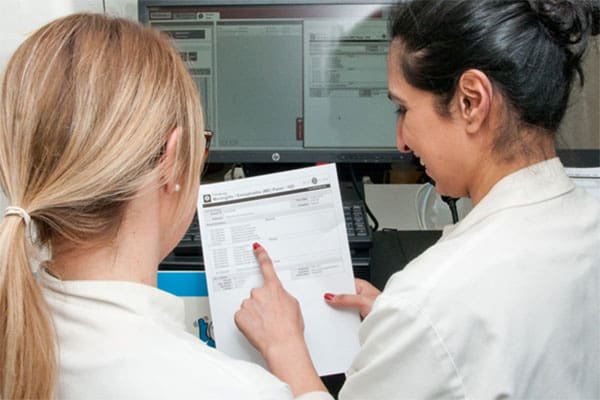
“Infections of the central nervous system need urgent and appropriate treatment. Most laboratory methods can take from 24 to 48 hours for diagnosis of bacterial meningitis and three to seven days for diagnosis of viral meningitis or encephalitis. The new equipment will mean we can get results of these tests in around an hour. We’ll be able to inform the clinicians of a positive result, allowing targeted therapy and reassurance to the patients and families. Just as important is the reporting of negative results, which may enable treatment withdrawal and possibly a shorter hospital stay.”

Dr Pradeep Subudhi
Consultant Microbiologist
Royal Bolton Hospital

Sign Up To Our Newsletter

By signing up to our newsletter you agree to our privacy policy